
3 preparedness fails

Hand crank radios are a thing.
img src: https://preparedhero.com/blogs/articles/hand-crank
“Sweden lacks a basic preparedness in case of a crisis or war.”

Such was EU’s assessment after looking – in vain – for Sweden’s back-up plans for its electricity system in a disaster scenario. Sweden is not following up on its commitment to EU law. There are other consequences as well.

In 2017, the EU passed a binding law. EU states were to have three plans in case of electrical disruption in place by 2020: a system protection plan, a reconstruction plan, and a test plan. The system protection plan is supposed to kick in when electricity distribution is no longer operating within safety margins.  The reconstruction plan is to provide steps to restore electricity when there has been a partial or complete network collapse. Finally, the test plan is a system of checking that the first two plans are in place and actually work. According to a report in DN this week, Sweden has none of these in place.

Jorunn Cardell from the Swedish Energy Markets Inspectorate says that securing normal electrical distribution has been the focus over the last few years. “If it’s not a normal situation, then we’re in bad shape.”

DN reports that the risk for a sudden and necessary manual disconnect from the grid went from “low” to “real” already in 2022. Yet there has yet to be a practice run.  Swedish Kraftnät has recently handed a test plan in to the Energy Inspectorate for approval. The other plans are still being worked on.

Not just national security

The three plans are considered important for national security reasons. Electricity is important for the basic functioning of society. In addition though, Cardell notes, a lack of functioning electricity frightens people.

The EU is no stranger to bureaucratic regulations. What is strange, however, is that Sweden is failing to live up to a basic preparedness obligation.
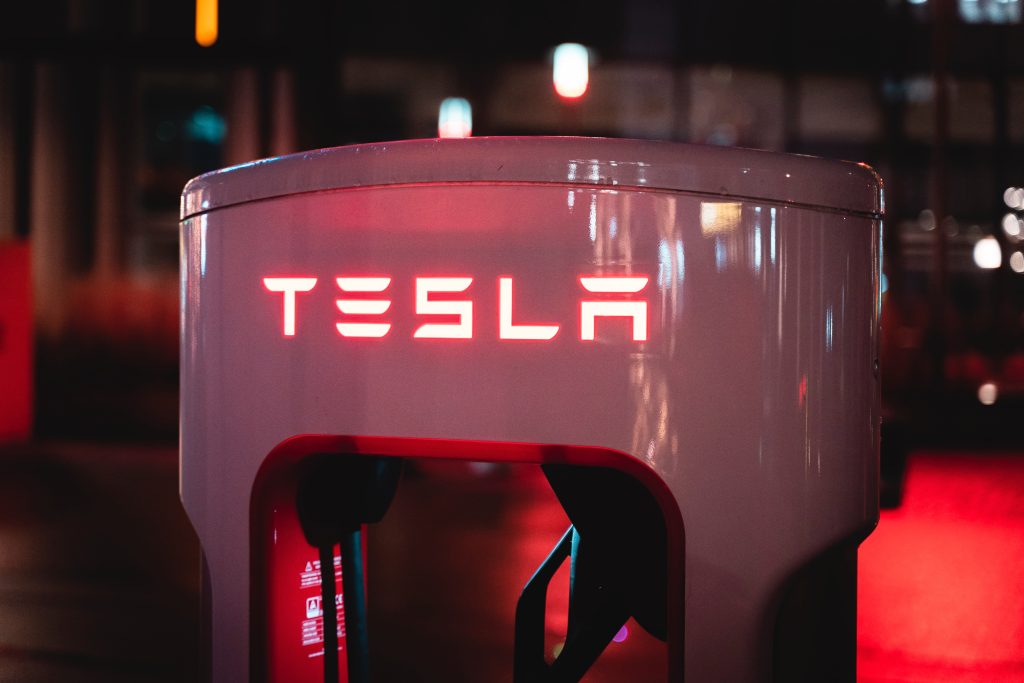
Swedish unions expand Tesla strike

A new kind of Swedish snowball – a Tesla strike
image source: https://euobserver.com/health-and-society/157701

SvD reported Tuesday that Tesla’s chairman Elon Musk recently reiterated his demand that Sweden’s Tesla branch not sign any collective agreement. This despite a strike that is only gathering steam.

Union membership down but energy is up

Union membership continues to reach new lows in Sweden. Elon Musk must have thought that now would be a good time to try breaking the Swedish collective agreement praxis. This particular pillar of Swedish employment, however, is not even bending.

IF Metall, the metal workers union, began the strike in October when their demand for a collective agreement was rejected. Elon Musk said that Tesla’s employment contract gave its workers better conditions than an agreement would, and refused them. The metal workers union struck, and other unions have successively joined the strike in solidarity.

This week, the electrician’s union, Elektriker, joined up as well. Their union members may now not work on anything to do with the distribution or production of energy for Tesla’s charging stations. Elektriker joins the transport workers union, the cleaning union, the service and communications union, the port and dockworkers union, the civil servants’ union, the painters’ union, and the builders’ union in refusing to do any work that supports Tesla. Even the musicians’ union has forbidden its members’ music from being played in Tesla cars.

Nine of ten employees’ workplace conditions are regulated by a collective agreement, according to the Swedish Mediation Office. If Tesla comes out on top in this conflict, more companies may choose to try and stay outside of any collective agreement as well. Such an outcome would be more disruptive to Sweden than any strike.

Halland says Swedish adults won’t be vac’d until August

Halland, a county just south of Gotheburg (Göteborg) on the west coast of Sweden, isn’t pulling any punches: persons under 65 won’t be vaccinated until August, SVT reports.

The plan was that most everyone was going to get the first dose sometime in April and that everyone would have gotten the second dose by midsummer – late June . However, the latest with the internationally unpopular but at least local vaccine, from half-Swedish Astra Zeneca, is that the second dose needs a ten-week interval from the first dose. Which pushes the second dose date weeks later, in August.

It was unclear how many actually believed the original prediction, but for some it is undoubtedly a gut punch. It also leaves other counties’ residents wondering how much their representatives’ promises are worth. Time to revisit those summer travel plans – again.