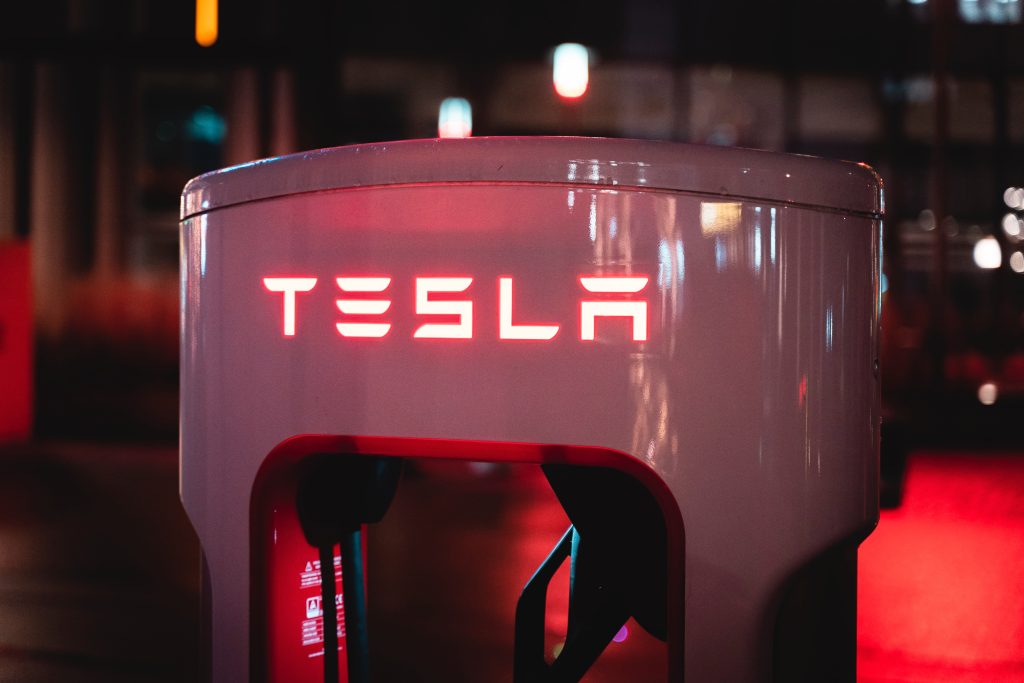
Swedish unions expand Tesla strike

A new kind of Swedish snowball – a Tesla strike
image source: https://euobserver.com/health-and-society/157701

SvD reported Tuesday that Tesla’s chairman Elon Musk recently reiterated his demand that Sweden’s Tesla branch not sign any collective agreement. This despite a strike that is only gathering steam.

Union membership down but energy is up

Union membership continues to reach new lows in Sweden. Elon Musk must have thought that now would be a good time to try breaking the Swedish collective agreement praxis. This particular pillar of Swedish employment, however, is not even bending.

IF Metall, the metal workers union, began the strike in October when their demand for a collective agreement was rejected. Elon Musk said that Tesla’s employment contract gave its workers better conditions than an agreement would, and refused them. The metal workers union struck, and other unions have successively joined the strike in solidarity.

This week, the electrician’s union, Elektriker, joined up as well. Their union members may now not work on anything to do with the distribution or production of energy for Tesla’s charging stations. Elektriker joins the transport workers union, the cleaning union, the service and communications union, the port and dockworkers union, the civil servants’ union, the painters’ union, and the builders’ union in refusing to do any work that supports Tesla. Even the musicians’ union has forbidden its members’ music from being played in Tesla cars.

Nine of ten employees’ workplace conditions are regulated by a collective agreement, according to the Swedish Mediation Office. If Tesla comes out on top in this conflict, more companies may choose to try and stay outside of any collective agreement as well. Such an outcome would be more disruptive to Sweden than any strike.
America’s murder rule – Swedish style?

Is the American “murder rule” coming to Sweden? Not quite, but there are some similarities.

Swedish courts to determine when a murder has occurred.
img source: https://www.cozitv.com/shows/murder-she-wrote/

There are many laws that differ, for example, between the United States and Sweden. One of the larger discrepancies is that in Sweden, a person can be guilty of libel or slander even if what they say is true. (See this previous post.)

Another difference, though, might soon lessen. A case before Sweden’s supreme court will consider whether a person can be convicted of murder if, during a violent act, the victim of the violent act dies – or, if there can be extenuating circumstances that lessen the crime.

In the US, the law is clearer. If someone is killed while committing another felony-level crime, it is felony murder. If there was malicious intent in committing the original crime, the reasoning goes, then that malicious intent also extends to the consequences of that crime. Malicious intent means murder, not the lesser manslaughter. In the US, even accomplices can be charged with murder.

Sweden is not considering going that far. The case, SvD explains, will explore if the accused caused the death of the victim when their actions clearly contributed to it.

antidepressant poisoning

The victim in the case before the Swedish court was severely beaten. Records showed she had been beaten many times before. The autopsy presented multiple bruises, a broken nose, ten broken ribs, a ruptured spleen, and serious brain damage. She also had significant amounts of antidepressants in her blood. After the first court concluded the accused was guilty of murder, the appeals court said he was not guilty. It was beyond doubt he had beaten the victim. But it was possible that the victim had died from antidepressant poisoning. He was therefore guilty only of aggravated assault.

The verdict raised many eyebrows. Now the Supreme Court is having a look.

There have been several high-profile cases where lower courts have freed perpetrators from murder verdicts. It was not made clear enough that their actions actually caused a death, even when their actions undeniably played a role in it.  The court will now try to determine what the requirements are to be found guilty of causing someone’s death.

The result will not be the same as felony murder in the United States or the other similar laws around the globe. However, it may, or may not, be a step closer. Whatever the court decides, it will be precedent setting.

Hövding halted

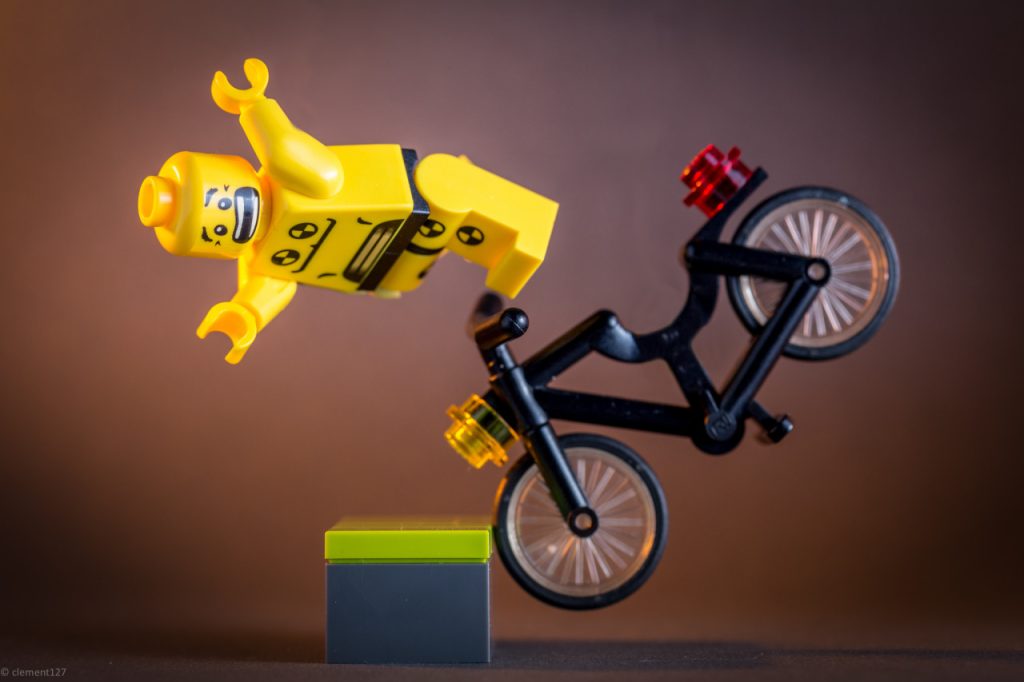
flying through the air with the greatest of ease
image source: https://lego-minifigures.tumblr.com

The Swedish Consumer Agency has halted sales of the latest version of the self-inflating bike helmet Hövding 3. The agency cites test results that show that the helmet does not activate or give sufficient protection in crashes at speeds over 20 km/hour. (According to bikecommuterhero.com, a commuting bicyclist’s average speed is 18-29 km/hour.)

In addition, the consumer agency writes that the helmet’s battery does not clearly indicate when it’s not charged enough for the helmet to function properly.

No money back

This does not mean that a recently purchased Hövding 3 helmet can be returned, however. The agency says that, for the moment, they’re only investigating. To get money back, a safety defect has to be confirmed. That, or the consumer has to show that their particular product has a safety defect. As there’s been no formal recall, a consumer doesn’t have a legal right to a refund.

Hövding disputes the agency’s claims, and says it will appeal the decision. According to Hövding’s statements, there has never been a risk for customer safety.

Last year, the insurance company Folksam rescinded its Hövding recommendation. Internal tests showed that the helmet didn’t inflate fast enough to protect the user in crashes with cars driving at 40 km/hour.

So much for the wind in your hair. For many people, it’s back to helmet head.