
source: https://sverigesradio.se/artikel/7612399
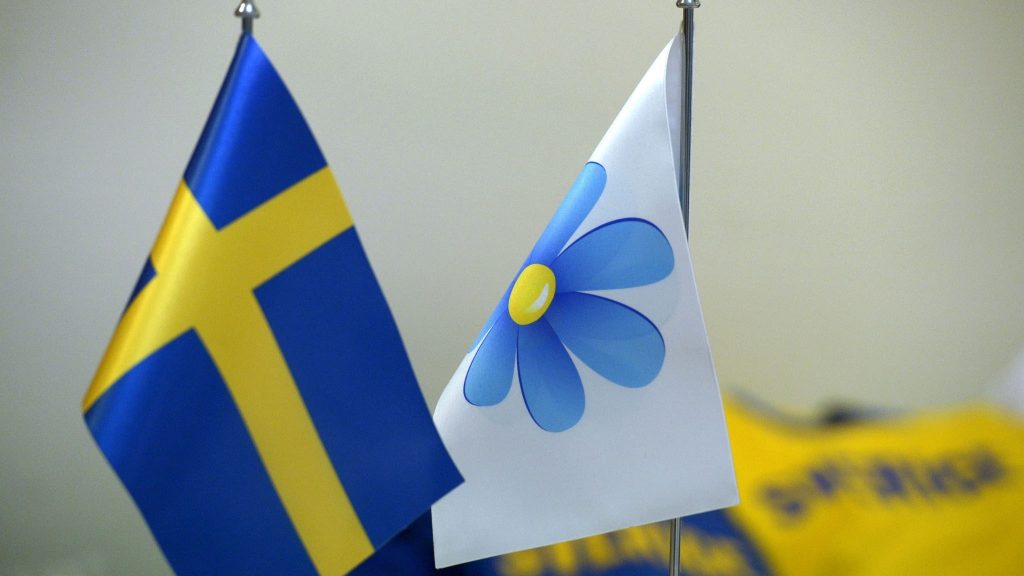
Sweden’s elections generally don’t garner international headlines, but on Monday morning earlier this week, Sweden woke up in a country in which the far-right political party, the Sweden Democrats, had won 20% of the popular vote making it the second largest party in Sweden. For some, this was horrifying and for others, around 20% at least, not so much.
Although huge changes are not likely, Sweden could see a change in political direction with the new right-leaning constellation. The areas on which the Moderate, Christian Democrat, Liberal and Sweden Democrat parties agree upon are several. These are:
More controversially, the Sweden Democrats want to:
get immigration down to the lowest level possible; make deportation a more common sentence for convicted criminals who don’t have Swedish citizenship; contribute less (perhaps very much less) than the 1% of GDP that Sweden spends on foreign aid; cut down on public service TV and radio funding; reduce the required amount of biofuel mixed in with gas and diesel, and even take down the pride flags that often adorn busses and public buildings.
All or some of these cause problems with their partners:
While the Christian Democrats and the Moderate party can absolutely get behind reducing immigration, they make a difference between asylum seekers and others seeking to come into the country. SD doesn’t differentiate so much – immigrants are basically all the same and mostly undesirable. The Christian Democrats don’t want to lessen foreign aid at all. The Liberals won’t go along with cuts in public service or a reduction in biofuel percentages, and will not support any government that gives SD a seat at their table. And finally, no other party wants to spend any energy legislating around pride flags or other HBTQ+ issue.
(The Sweden Democrats’ other pet issues, like increasing both unemployment payments and old age pensions, are shared only with the Left Party.)
The conservative Moderate party leader Ulf Kristersson will become Prime Minister and will most certainly have the Christian Democrats beside him. For its extremist, white-power history as well as its current controversies, SD will most likely not be given a ministerial post despite its numerical dominance. However, in deference to SD, it’s not probable that the Liberals will be given one either.
That leaves a government of two smaller parties dependent on two others, one of which is extremely polarizing. Norway, Finland and Denmark have all been in similar situations with extreme conservative parties in power. Until now, Sweden has been the hold out. In those countries, those parties came into power and then lost power. In Sweden, we’ll now see.