
3 preparedness fails

Hand crank radios are a thing.
img src: https://preparedhero.com/blogs/articles/hand-crank
“Sweden lacks a basic preparedness in case of a crisis or war.”

Such was EU’s assessment after looking – in vain – for Sweden’s back-up plans for its electricity system in a disaster scenario. Sweden is not following up on its commitment to EU law. There are other consequences as well.

In 2017, the EU passed a binding law. EU states were to have three plans in case of electrical disruption in place by 2020: a system protection plan, a reconstruction plan, and a test plan. The system protection plan is supposed to kick in when electricity distribution is no longer operating within safety margins.  The reconstruction plan is to provide steps to restore electricity when there has been a partial or complete network collapse. Finally, the test plan is a system of checking that the first two plans are in place and actually work. According to a report in DN this week, Sweden has none of these in place.

Jorunn Cardell from the Swedish Energy Markets Inspectorate says that securing normal electrical distribution has been the focus over the last few years. “If it’s not a normal situation, then we’re in bad shape.”

DN reports that the risk for a sudden and necessary manual disconnect from the grid went from “low” to “real” already in 2022. Yet there has yet to be a practice run.  Swedish Kraftnät has recently handed a test plan in to the Energy Inspectorate for approval. The other plans are still being worked on.

Not just national security

The three plans are considered important for national security reasons. Electricity is important for the basic functioning of society. In addition though, Cardell notes, a lack of functioning electricity frightens people.

The EU is no stranger to bureaucratic regulations. What is strange, however, is that Sweden is failing to live up to a basic preparedness obligation.
Two scandals rock the Social Democratic party

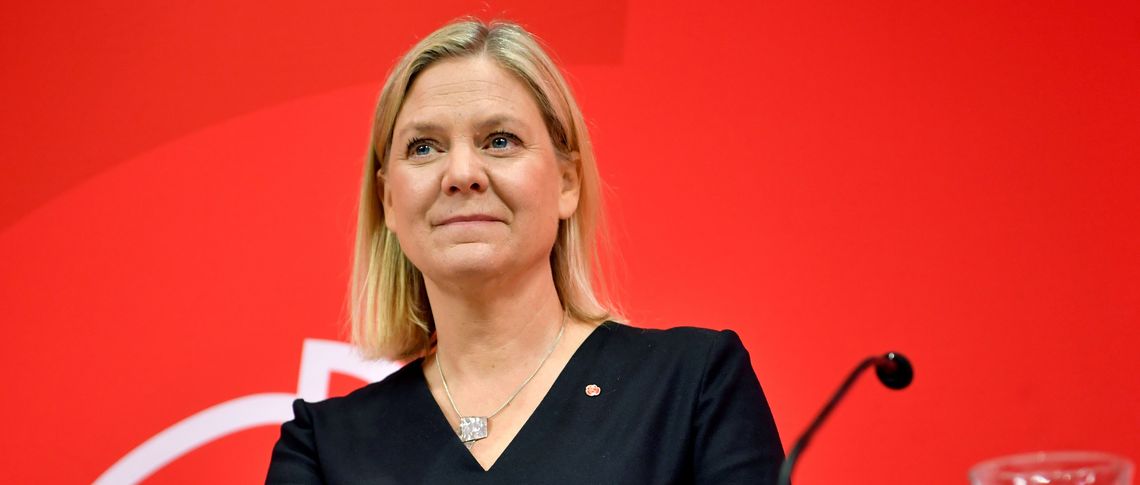
Social Democratic party leader Magdalena Andersson not saying anything.
img src: http://www.ips-journal.eu

The scandal surrounding parliament member Jamal El Haj has officially left the Social Democratic party one vote down. Party leader Magdalena Andersson then met nearly universal critique when she suggested a popular YouTuber was perhaps being bankrolled by dodgy actors. The two events have made people wonder what is going on in Sweden’s biggest party.

Two too much

Two events preceded El Haj’s fall. Last week, Aftonbladet reported that in 2017, El Haj called the Swedish Migration Agency. In his call, he pled for a favorable immigration decision for an imam who was seeking permanent resident status. In so doing, El Haj inappropriately used his position to try to influence a government agency in its work. It was later revealed that the Social Democratic party knew about this at the time but didn’t act on it.

El Haj was already living dangerously. In 2023, El Haj spoke at a conference where the event chair had ties to terrorist organization Hamas. The party expressly asked him not to attend the event, but he went anyway.

Together, these events proved too much for the Social Democratic party. El Haj was asked to leave and he agreed. However, he won’t leave his seat in parliament. This leaves the Social Democratic party one man less as well as in an unusually awkward position. El Haj is the first ever Social Democratic party member to become a parliamentary free radical. (For more on vildingar see this post.)

“I’m just wondering who’s financing him”

Later in a separate interview, party leader Andersson was asked about Russian influence peddling. In her remarks, Andersson implied that a popular, right-leaning YouTuber was perhaps being funded by some questionable sources. Naming someone specifically in this context, while offering no proof, was, for many, over the line. Almost Trumpian. Her innuendo was met with critique from both right and left commentators.

The Social Democratic party has lately fallen from its previously high approval ratings. These gaffes won’t help.

Solar power – 2% or 10%?

Wind parks meet similar challenges
Awesome power. Hard to harness.
img src: https://www.space.com

Solar energy provides less than 2% of Sweden’s total power production. There are hopes that it can contribute much more. It’s turning out, though, that solar farms and wind parks hit similar opposition. A national interest is sometimes at stake (see this post), and at other times it’s a land use issue. Either way, another effort for producing renewable energy is running into more problems than was once hoped.  

In Sweden, the Land and Environment court has declared that solar farms cannot be installed on useable farmland. Food production and food self-sufficiency are of a higher national interest. When a landowner and farmer believe a solar farm would be more practical and profitable, conflicts and court cases arise. In 2022, SVT reports, 24 requests to install a solar farm were turned down on national interest grounds in Skåne. In Halland, 65 proposed solar farms got a no.

protected frogs

Even if the solar farm is approved, another issue is the transmission cables needed to connect the panels to the grid. These cables need to run over land, which can impact the environment negatively. This is the argument landowners over a five mile stretch in southern Sweden are presenting in opposition to the proposal from electric company Eon. Among other concerns, they argue, the presence of several species of protected frogs in the area demands extra consideration. According to Ystads Allehanda, it will be up to the Swedish Energy Markets Inspectorate to decide.

Increasing electrification needs make even a small solar contribution a welcome addition to the grid.  Optimists believe that in the future, solar farms could provide up to 10% of Sweden’s energy needs, particularly as material costs fall.

The sunlight itself is free. But harnessing it comes with a cost that not everyone is willing to pay.